Connect condition signals
Pull runtime, temperature, vibration, and current into the maintenance view.
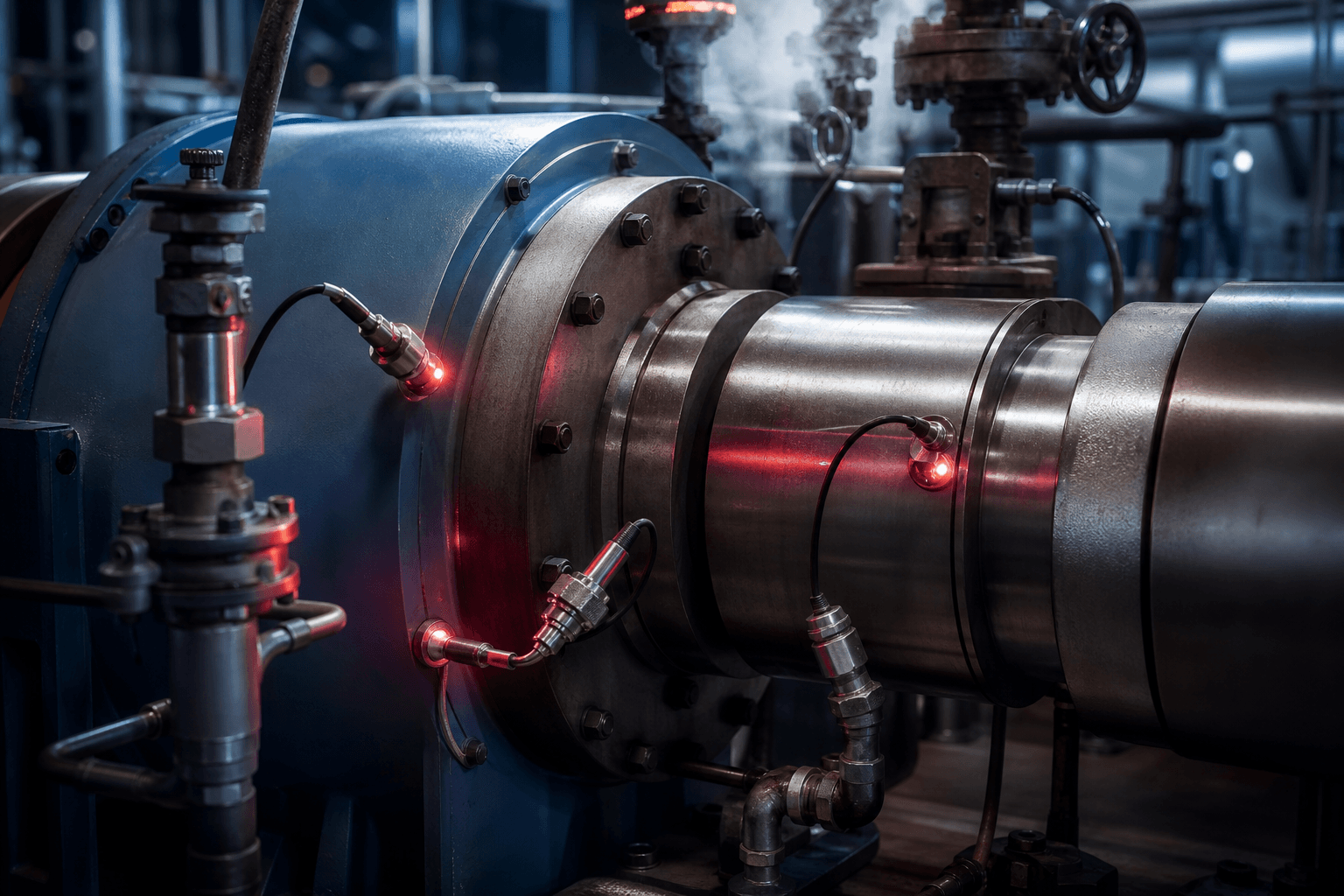
Maintenance teams react to failures without enough signal, history, procedures, or coordinated follow-up from the systems already on site.
For maintenance teams stuck reacting — signals without history, SOPs without timing.
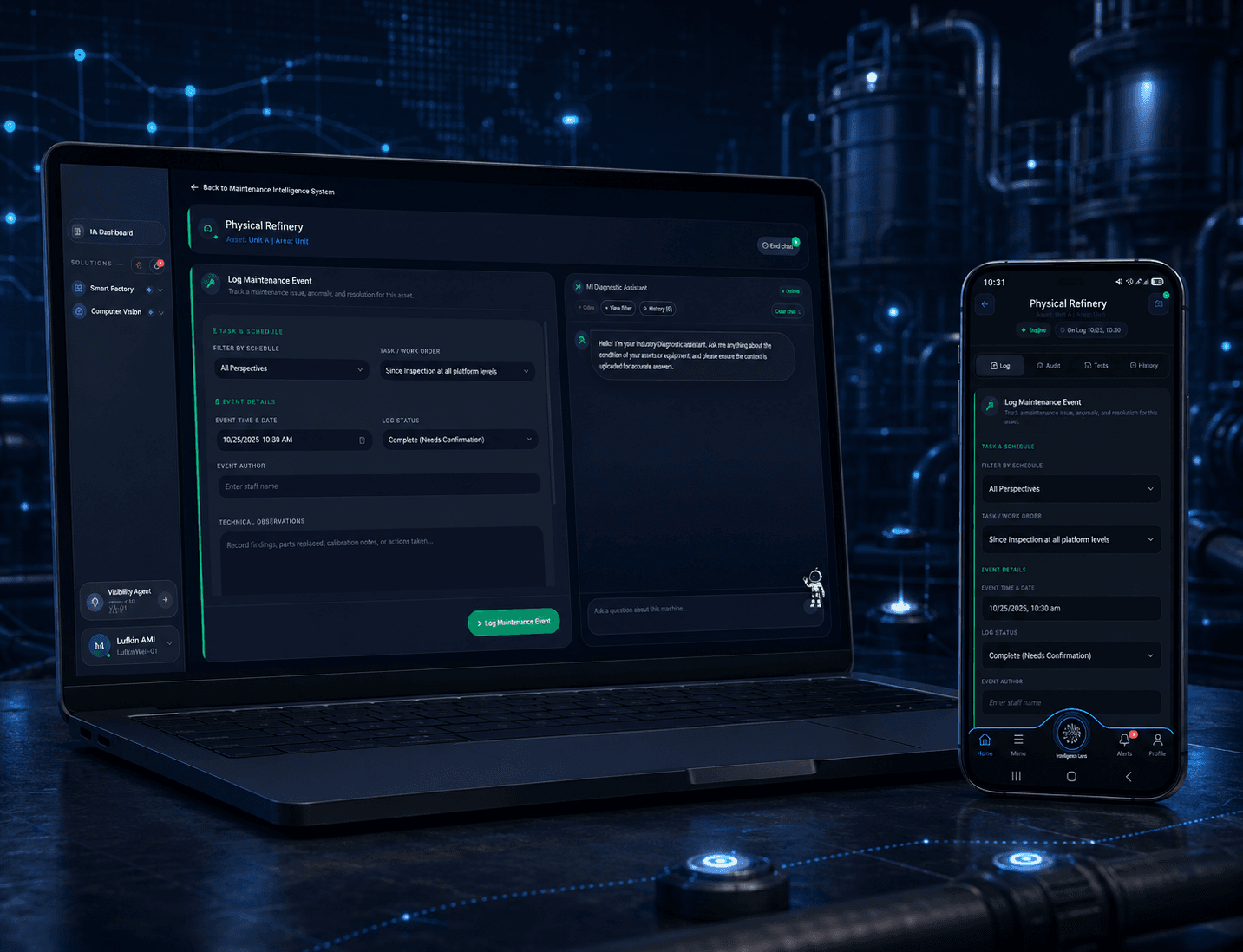
The operational areas this solution brings into one connected view.
Operational measures used to monitor this area. They are not promised outcomes or unverified performance claims.
A practical sequence from connected signals to coordinated follow-up for this solution.
Pull runtime, temperature, vibration, and current into the maintenance view.
Keep failure history and procedures next to the equipment they describe.
Flag recurring or unusual patterns before they become unplanned downtime.
Neo correlates signals with history and procedures to suggest what to check next.
Open work orders with context so follow-up is visible and owned.
An illustrative exchange showing how a maintenance intelligence question can be answered with the context behind it.
Maintenance LeadWhich machine should we look at first?
One asset shows a rising temperature and vibration pattern against its own history, has a repeat failure recorded for the same component, and its procedure calls for a check at this runtime threshold.
A practical view of what gets connected, how context is built, and what teams can act on.
Neo can correlate condition signals with maintenance history and SOP thresholds to recommend practical next steps.
Each product contributes a layer of the shared operational record this solution relies on.
Each vertical brings its own operating context, data sources, and evidence expectations.
Textile operations combine production, dyeing, WIP, lots, trolleys, utilities, maintenance, quality, warehouse, buyer compliance, and management reporting.
ExploreFast-moving operations need reliable visibility across production lines, quality, packaging, warehouse, utilities, and dispatch.
ExploreFood and beverage sites need traceable, timely intelligence across production, utilities, quality, safety, and compliance.
ExploreManufacturers need connected visibility across machines, production, maintenance, warehouse movement, quality, and management actions.
ExploreStraight answers on what this capability covers, how it connects, and where teams usually begin.
Connect condition and runtime signals — from meters, sensors, or existing SCADA and PLC paths — to SOPs, work orders, and recommendations instead of inventing a second control room.
Visibility Live, Visibility Docs and Visibility Nexus share one operational record, so signals, evidence, and follow-up stay connected instead of living in separate tools.
No. KPIs are listed as operational measures to track, not as promised outcomes or unverified performance claims.
Condition and runtime signals can come from meters, sensors, or existing SCADA and PLC paths. Visibility connects that context to work orders and SOPs instead of inventing a second control room.
Yes. Most implementations begin with one high-value signal or workflow and expand as the shared record grows.
Connect your existing systems — including SCADA and PLC feeds where they already run — with Visibility Bots.
Tell us which operations, SCADA or PLC feeds, documents, or workflows you want to connect first.