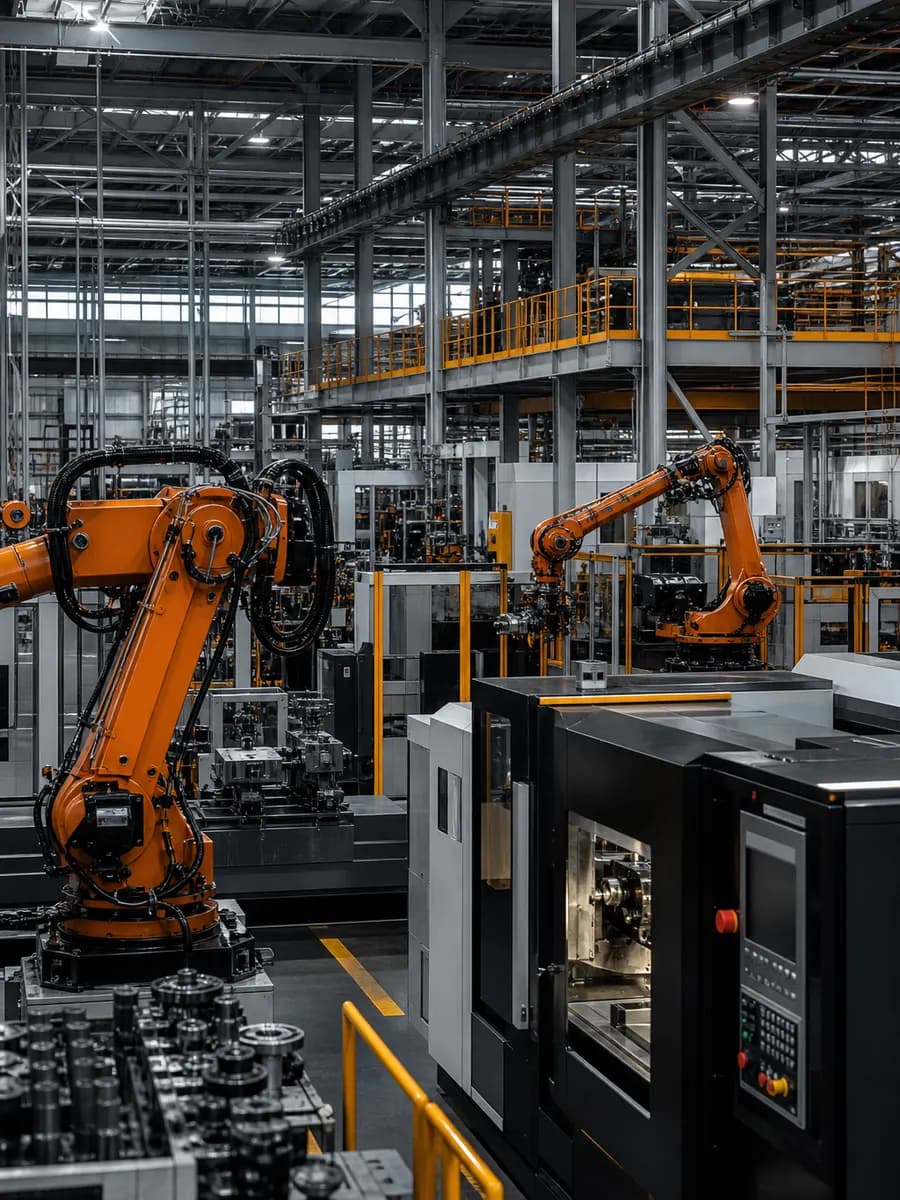
Machine runtime, line state, throughput, downtime, targets
Production losses and bottlenecks can be detected with machine-level context.
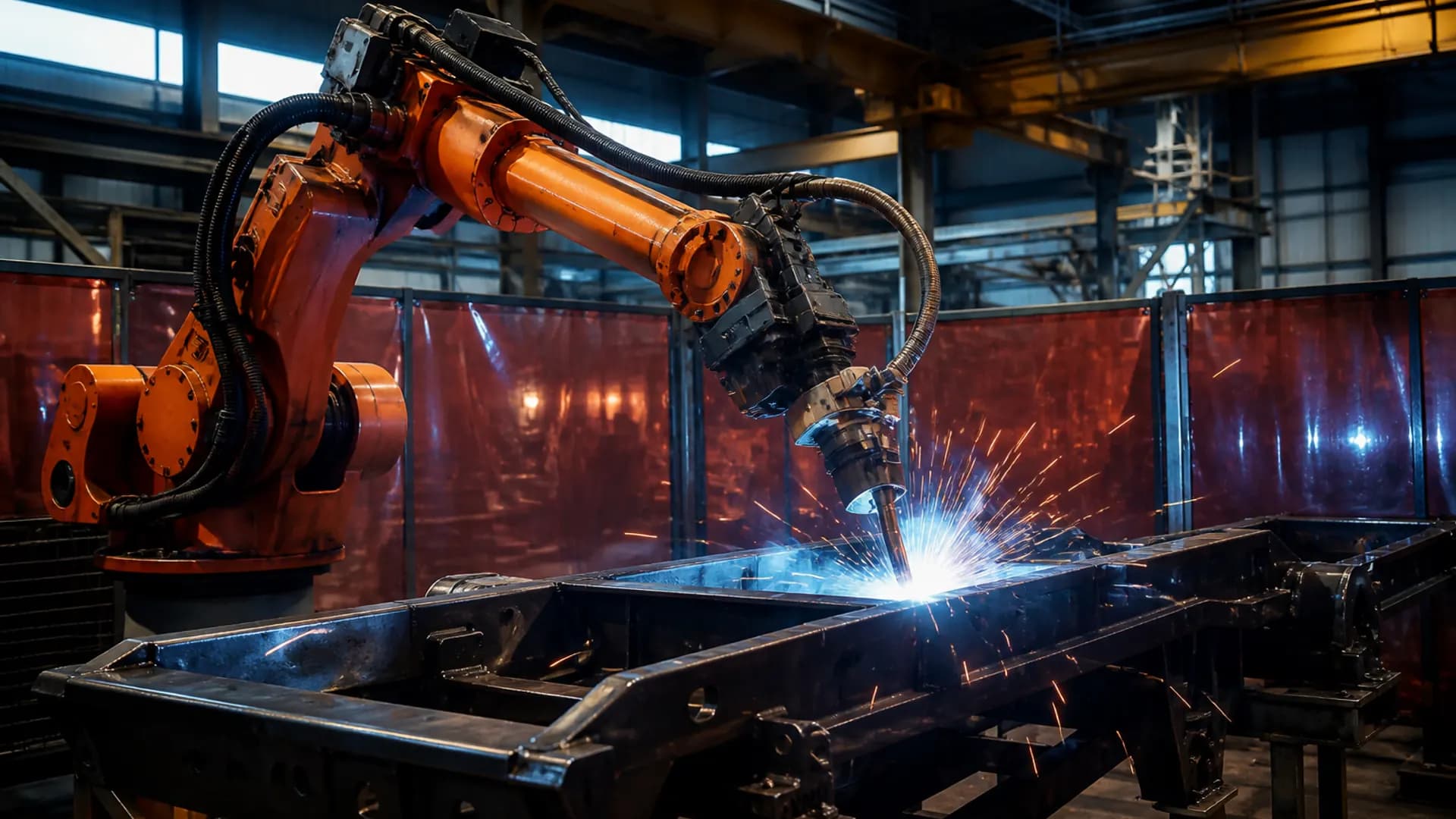
Manufacturers need connected visibility across machines, production, maintenance, warehouse movement, quality, and management actions.
Machines, Sensors, Warehouse movement, Maintenance history, Cameras.
Production losses and bottlenecks can be detected with machine-level context.
Recurring failures and asset delays can be connected to practical response workflows.
Operational movement and quality evidence can be reviewed alongside production status.
Operators and supervisors share one view of what is limiting output and who owns the next step.
Three lanes on the same operating record — what fails when signals stay siloed, where teams begin, and how Neo prioritizes the next action.
Downtime, asset location, and maintenance work stay disconnected from the production impact they create.
Manufacturers usually start with machine and production visibility, then extend into asset location, maintenance response, and warehouse movement.
Neo can prioritize bottlenecks, recurring failures, and asset delays against the production impact they create.
Pick one high-value wedge. Expand across the shared record once that loop is useful day to day.
Until then, use anonymous structures on Customers and walk your site map in a scoped demo — no fictional logos or unverified outcomes.
Manufacturers usually start with machine and production visibility, then extend into assets, maintenance response, and warehouse movement on the shared record.
Runtime, stops, and targets need one mid-shift view for recovery.
Condition signals and failure history become owned work before losses compound.
Warehouse movement and visual checks explain why production stalls.
Recommendations only help when they become owned tasks with due dates.
A practical sequence from connected signals to coordinated follow-up for this industry.
Pull runtime, throughput, downtime, and targets into a live production view.
Link asset location, condition signals, and work orders to the lines they support.
Connect warehouse movement and quality checks to production demand.
Neo ranks machine losses, asset delays, and maintenance issues by operational impact.
Assign recovery and maintenance work with the context teams need to act.
An illustrative exchange showing how a Manufacturing operations question can be answered with the context behind it.
Operations DirectorWhat is limiting output on the main line?
Unplanned downtime on one machine is the largest contributor, a related asset has been sitting in a staging zone too long, and an open maintenance work order covers the same failure pattern seen last month.
Operational measures used to monitor this industry. They are not promised outcomes or unverified performance claims.
Outcome-focused starting points that map to this industry's operating context.
See throughput, bottlenecks, downtime, and variance while production is still recoverable, using line and machine signals from the systems you already trust — including SCADA and PLC context.
ExploreFind assets, understand utilization, and detect delays before they disrupt operations.
ExploreConnect warehouse movement with operational demand and traceability.
ExploreConnect condition and runtime signals — from meters, sensors, or existing SCADA and PLC paths — to SOPs, work orders, and recommendations instead of inventing a second control room.
ExploreThe product layers that typically connect into this industry's operating map.

Real-time industrial operations intelligence that sits beside existing PLC and SCADA systems
Explore
Computer Vision Intelligence for Industrial Operations
Explore
Enterprise Knowledge Intelligence
Explore
AI-Powered Business Operations Intelligence
ExploreStraight answers on what this capability covers, how it connects, and where teams usually begin.
Manufacturers usually start with machine and production visibility, then extend into asset location, maintenance response, and warehouse movement.
Visibility Live, Visibility Vision, Visibility Docs and Visibility Nexus share one operational record across the Manufacturing operating map, so signals, evidence, and follow-up stay connected.
No. KPIs are listed as operational measures to track, not as promised outcomes or unverified performance claims.
Yes. Visibility Bots is designed to connect existing SCADA, PLC, MES, and ERP context and add intelligence where it is missing — not to replace the control layer that already runs the plant.
Connect your existing systems — including SCADA and PLC feeds where they already run — with Visibility Bots.
Tell us which operations, SCADA or PLC feeds, documents, or workflows you want to connect first.