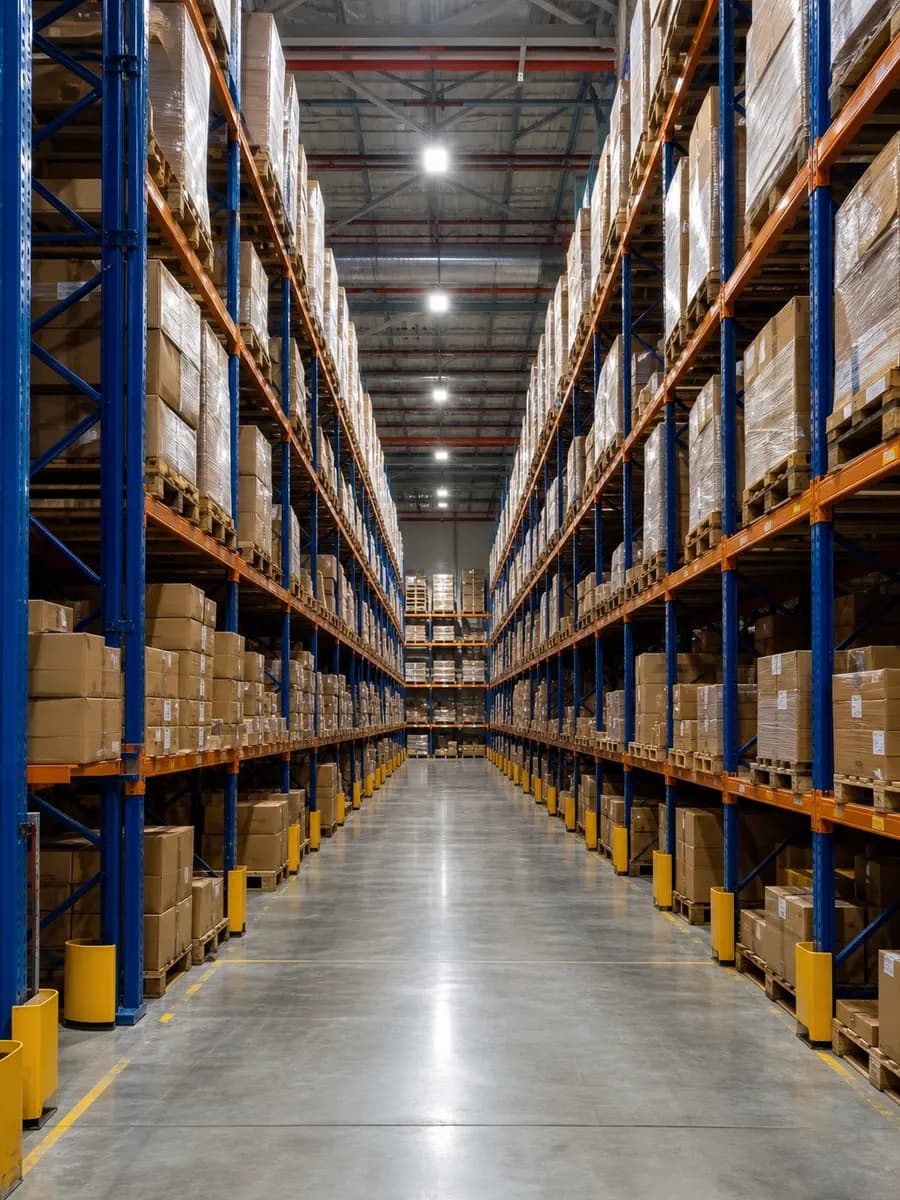
Inbound records, rack location, zone movement, QR/barcode or RFID events
Receiving and storage exceptions can be surfaced while inventory is still movable.
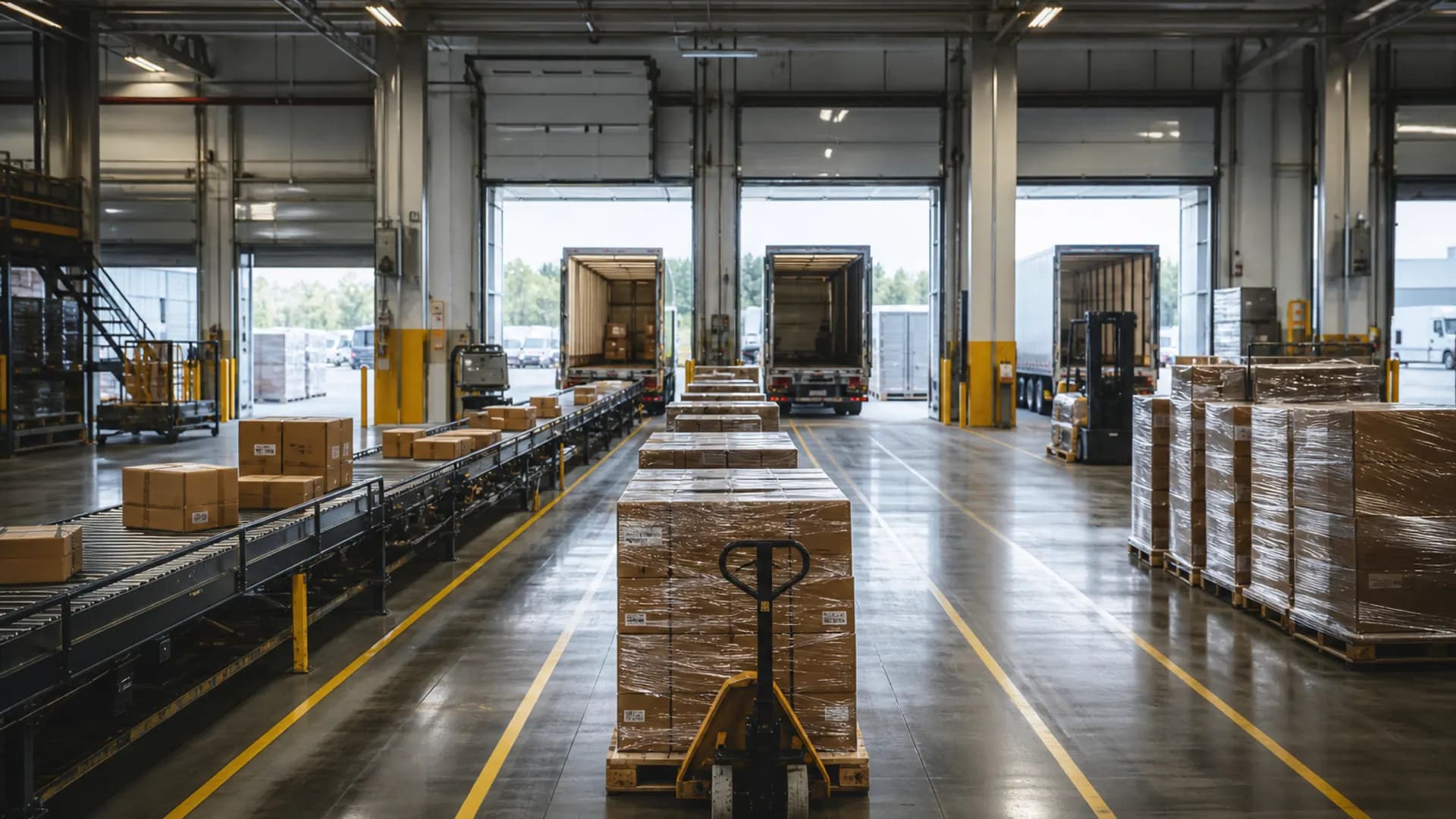
Warehouses and logistics teams need accurate movement, location, dispatch, safety, and exception intelligence.
QR/barcodes, RFID where applicable, Zones, Racks, Dispatch records, Cameras.
Receiving and storage exceptions can be surfaced while inventory is still movable.
Dispatch risk can be connected to physical movement and assigned follow-up.
Visual events become searchable safety and movement context instead of passive footage.
Outbound risk is reviewed as a set of owned exceptions instead of scattered radio calls.
Three lanes on the same operating record — what fails when signals stay siloed, where teams begin, and how Neo prioritizes the next action.
Stock mismatches, dwell delays, and picking exceptions stay zone-local until outbound shipments slip.
Warehouse and logistics teams usually begin with receiving, rack, and dispatch visibility, then add dwell detection, safety cameras, and exception follow-up.
Neo can explain stock mismatches, picking delays, and dispatch risk with the movement and zone context behind each exception.
Pick one high-value wedge. Expand across the shared record once that loop is useful day to day.
Until then, use anonymous structures on Customers and walk your site map in a scoped demo — no fictional logos or unverified outcomes.
Warehouse teams usually begin with receiving, rack, and dispatch visibility, then add dwell detection, cameras, and exception follow-up.
Inbound goods and rack locations must stay searchable as soon as material moves.
Pick progress and dispatch readiness need the same picture before trucks wait.
Camera zones turn vehicle and restricted-area events into actionable records.
Neo and Nexus keep exceptions owned until outbound risk clears.
A practical sequence from connected signals to coordinated follow-up for this industry.
Bring inbound records, rack locations, and zone movement into one inventory view.
Follow pick progress, dwell time, and handoff readiness against outbound demand.
Turn camera zones and vehicle events into searchable operational evidence.
Neo summarizes stock mismatches, picking delays, and dispatch risk with zone context.
Create tasks for the exceptions that need reconciliation or escalation.
An illustrative exchange showing how a Warehousing & Logistics operations question can be answered with the context behind it.
Warehouse ManagerWhat is delaying today's outbound shipments?
Picking is behind on two order lines, stock records for one rack do not match the last movement event, and a vehicle dwell in the dispatch bay has passed the usual handoff window.
Operational measures used to monitor this industry. They are not promised outcomes or unverified performance claims.
Outcome-focused starting points that map to this industry's operating context.
Find assets, understand utilization, and detect delays before they disrupt operations.
ExploreConnect warehouse movement with operational demand and traceability.
ExploreConvert visual events into evidence, alerts, and operational context.
ExploreTurn operational intelligence into coordinated work across teams.
ExploreThe product layers that typically connect into this industry's operating map.
Straight answers on what this capability covers, how it connects, and where teams usually begin.
Warehouse and logistics teams usually begin with receiving, rack, and dispatch visibility, then add dwell detection, safety cameras, and exception follow-up.
Visibility Live, Visibility Vision and Visibility Nexus share one operational record across the Warehousing & Logistics operating map, so signals, evidence, and follow-up stay connected.
No. KPIs are listed as operational measures to track, not as promised outcomes or unverified performance claims.
Yes. The platform is designed to connect existing operational systems — including SCADA, PLC, MES, and ERP where they already run — and add intelligence where needed, without replacing everything that already runs.
Connect your existing systems — including SCADA and PLC feeds where they already run — with Visibility Bots.
Tell us which operations, SCADA or PLC feeds, documents, or workflows you want to connect first.